 English
 Español
 Português
 русский
 français
 日本語
日本語 Deutsch
 Tiếng Việt
 Italiano
 Nederlands
 ไทย
ไทย Polski
 한국어
한국어 Svenska
 magyar
 Malay
Malay বাংলা
বাংলা Dansk
Dansk Suomi
Suomi हिन्दी
 Pilipino
 Türk
Türk Gaeilge
 عربى
عربى Indonesia
 norsk
norsk Burmese
 български
 ລາວ
ລາວ Latine
 Қазақ
Қазақ Euskal
 Azərbaycan
 slovenský
 Македонски
 Română
 Slovenski
 Српски
 Afrikaans
 Беларус
 Hrvatski
 Монгол хэл
 Zulu
Zulu Somali
 O'zbek
 Hawaiian
What Points Should Be Noted for Pin to Pin Replacement of Domestic Optocouplers?
What Points Should Be Noted for Pin to Pin Replacement of Domestic Optocouplers?
During the R&D phase of power supply, industrial control and energy storage hardware projects, many engineers face problems including long lead times and rising costs of imported optocouplers. Domestic optocoupler replacement has become an important solution for cost reduction and stable supply. Pin to pin replacement is widely favored by purchasers and R&D teams because there is no need to modify PCB layouts, saving time for re-board design and verification. However, replacement work cannot rely only on pin assignment; multiple details need to be checked carefully.
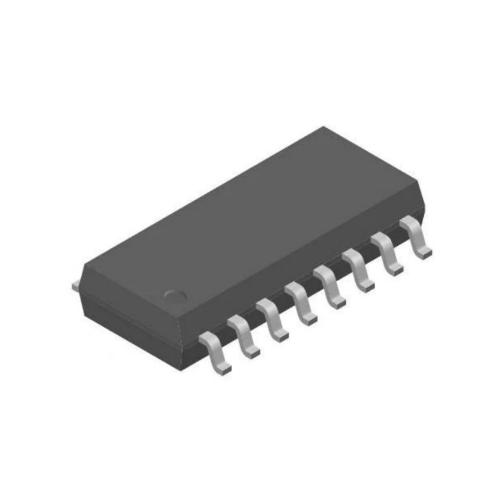
Shenzhen Orient Components Co., Ltd. specializes in optoelectronic components. As an original manufacturer of optocouplers, Orient optocouplers cover a wide range of models and support pin to pin compatibility with many mainstream imported optocouplers. The company has accumulated abundant practical cases in domestic replacement projects of electronic components. Many engineers who try replacement for the first time may fall into a misunderstanding: they assume that consistent pin layout means direct replacement, which may bring potential circuit risks.
First of all, verify electrical parameters, the core step of pin to pin replacement. Besides pin definitions, you need to focus on key specifications such as current transfer ratio, isolation voltage, rise & fall time and power consumption. Even with identical pinouts, optocouplers from different brands may vary in parameter ranges. High-speed optocouplers, triac optocouplers and ordinary transistor output optocouplers show obvious differences in performance. Insufficient parameter margin will affect the long-term stability of finished equipment.
Secondly, check package and mechanical dimensions. Lead pitch, molding thickness and lead length will affect SMT soldering. Some pin-compatible models have minor differences in packaging. Mass SMT production may encounter placement offset or cold solder joints. Small-batch trial testing is recommended before full mass production.
Thirdly, verify reliability and certifications. For automotive electronics, energy storage and industrial control applications, confirm safety certifications and temperature ratings. Automotive-grade applications require higher performance in temperature cycling and anti-interference. For such projects, Orient optocouplers with matching grades are preferred to meet long-term reliability requirements.
Finally, complete full-system verification. After sample replacement, static power-on test alone is not enough. Full reliability tests including high & low temperature cycling, surge and EMC tests should be carried out. Pin to pin compatibility means matching hardware pins, but dynamic circuit characteristics still need real-world testing.
Domestic optocoupler replacement is not a simple model swap. A complete workflow including parameter comparison, sample testing and small-batch trial run is essential. Shenzhen Orient Components Co., Ltd. provides Orient optocoupler selection support for customers, helping engineers evaluate optocoupler pin to pin replacement and achieve smooth localization upgrade of projects.
What Points Should Be Noted for Pin to Pin Replacement of Domestic Optocouplers?
Wondering about key considerations for pin to pin domestic optocoupler replacement? Shenzhen Orient Components Co., Ltd. shares tips on optocoupler localization. Check electrical specs, packaging and certifications, and run full tests for stable electronic component replacement.
Read MoreHow to Choose Reliable Suppliers of Shenzhen Electronic Components?
Wondering how to choose reliable suppliers of Shenzhen electronic components? This article analyzes the industrial advantages of Shenzhen electronic components, and shares key selection tips on product quality, delivery cycle and technical support, providing professional procurement references for global industrial and consumer electronics buyers.
Read MoreHigh-quality Electronic Components R&D and Production – Shenzhen Orient Components
Electronic components serve as the core foundation of modern electronic equipment and intelligent systems. Whether for smart home devices, industrial automation equipment, photovoltaic energy storage systems or new energy vehicle electronic control systems, stable and well-performing electronic components play a vital role in ensuring overall product stability and service life.
Read More